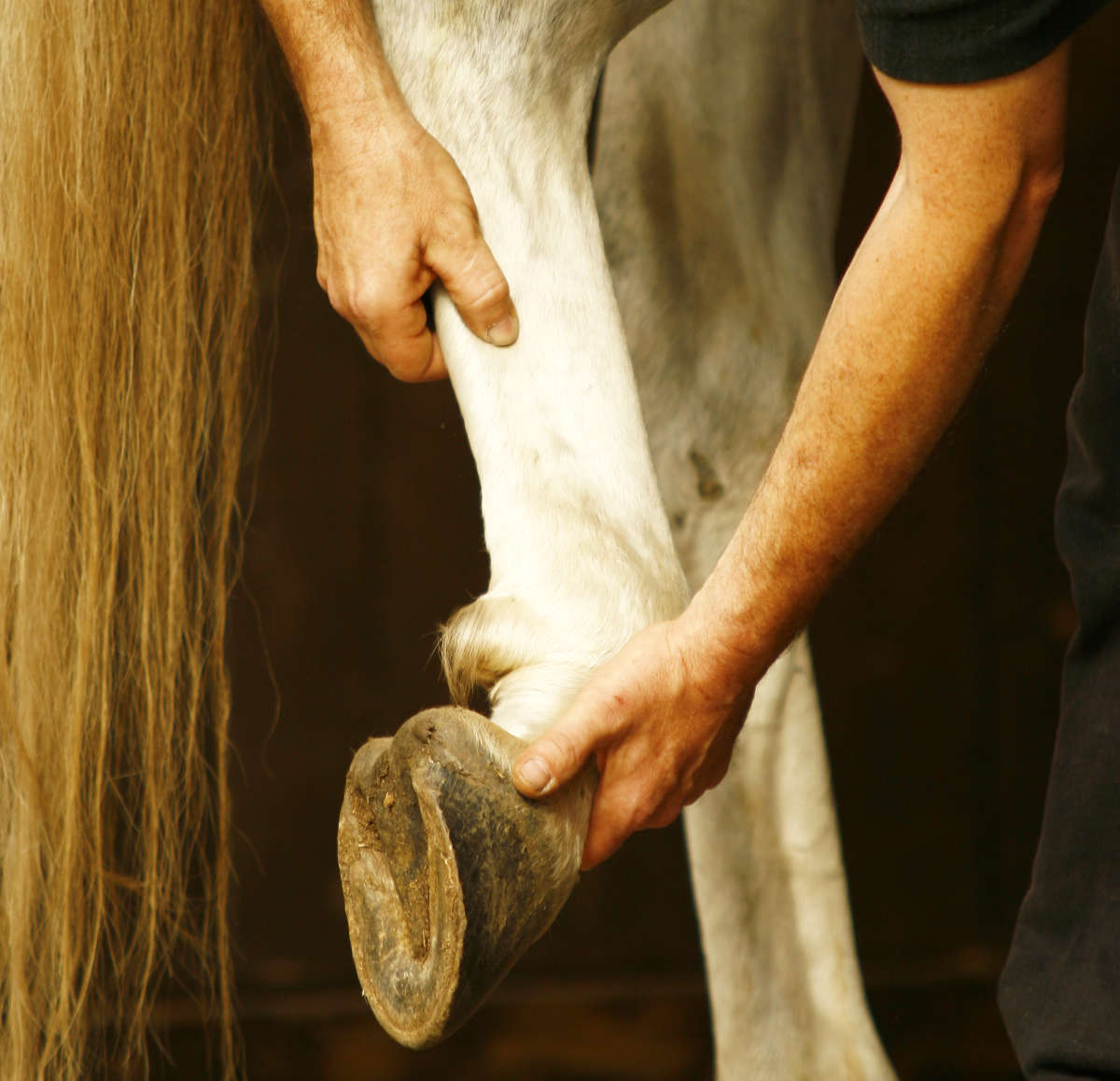
Lymphangitis is a bacterial infection of the lymphatic system of the horse, which causes sudden, painful and often very large swelling of a limb, usually a posterior. Potentially serious if not dealt with quickly, it may develop into permanent lesions or even septicaemia.
What is lymphangitis in horses?
Lymphangitis refers to inflammation and infection of the lymphatic system, a network of vessels and nodes that ensures the flow of fluids and the drainage of waste into the body. In the horse, it is manifested mainly on the lower limbs — where lymphatic circulation is most dependent on muscle movement.
It is sometimes referred to as vasculitis, equine cellulitis, or staphylococcal infection. Whatever the name, the mechanism is the same: a bacteria enters the body through a skin opening and triggers a massive inflammatory reaction.
Acute lymphangitis vs chronic lymphangitis
It is important to distinguish these two forms because their prognosis and management differ.
Acute lymphangitis is a unique and brutal episode. The limb swells very quickly, the pain is intense and the fever can reach 40 °C. Early care, it usually heals well, even if the limb can remain fragile.
Chronic lymphangitis is characterized by frequent recurrences, sometimes several times a year. At each episode, lesions accumulate in the lymphatic vessels. The member may remain slightly inflated permanently between crises. This form requires long-term monitoring and rigorous preventive measures.
Lymphangitis or congestion: how to distinguish the two?
A simple congestion and lymphangitis can be visually similar, but their management is not the same. Key criteria to be met include:
| Simple congestion | Lymphangitis |
Affected Members | 2 or more members (symmetric) | Only 1 member (often later) |
Appearance | Progressive | Brutal (a few hours) |
Pain | Slight or absent | Intense — horse refuses support |
Fever | Absent | Present (39.5–40.5 °C) |
Exercise improvement | Yes | No |
In case of doubt, call your veterinarian: he is the only one who can make a reliable diagnosis and avoid other conditions (thrombosis, abscesses, fracture of stress).
Causes of lymphangitis in horses
Lymphangitis develops when pathogens enter the horse's body through a skin opening. The most frequently involved bacteria are the streptococcus, staphylococcus (Staphylococcus aureus) and Escherichia coli (source Merck Veterinary Manual — Lymphangitis of Horses). A rarer form, epizootic lymphangitis, is caused by a fungus (Histoplasma farciminosum) and is subject to mandatory reporting.
The entrance door can be very discreet: a cut, a scratch, an abrasion, an insect bite, an injection or any other skin damage such as mud scab. These pathogens thrive in humid and muddy environments: a horse that is stabulated on a wet litter or left for several hours in the mud presents an increased risk, as the natural sebum barrier of the epidermis is gradually changing.
Note: muscle contraction plays an essential role in the return of lymphatic fluid to the heart. The lower limb of the horse, without muscles, rests on unidirectional valves and movement to ensure this circulation (source Blenntoft / ESEL — The Equine Lymphatic System). A horse with little activity or injury is therefore more vulnerable.
Recognize symptoms of lymphangitis
Lymphangitis most often affects a single posterior limb. The main symptom is a sudden and severe swelling of the limb, which can spread over its entire height. To this swelling frequently add:
- intense heat and localized on the affected limb;
- extreme pain, the horse can severely lame or refuse to lay foot on the ground;
- cracking of the skin under the effect of oedema;
- yellowish discharge that can irritate the skin;
- fever (often between 39.5 °C and 40.5 °C);
- lack of appetite and lethargy;
- severe cases: tremor, abundant sweating, accelerated breathing.
Alarm signs: call your veterinarian immediately if the limb inflates very quickly, if the horse no longer eats, if it has fever or can no longer lay foot. Untreated lymphangitis may develop into sepsis within a few hours.
What is the healing time of lymphangitis in the horse?
The healing time depends on several factors: the speed of management, the severity of infection, the location of the initial injury and the history of the horse. There is no universal deadline, but here are the realistic forks depending on the form.
Acute lymphangitis: 2 to 6 weeks
Management within the first 24 to 48 hours, acute lymphangitis can resolve significantly in 1-2 weeks with appropriate antibiotic treatment and rigorous local care. Swelling gradually decreases, but the limb may remain slightly sensitive or prone to congestion for several weeks to several months after the episode.
A return to full exercise is usually possible between 3 and 6 weeks, according to the advice of the veterinarian. Do not force recovery too soon: injured lymphatic vessels need time to heal.
Chronic lymphangitis: a long-term follow-up
The chronic form does not heal itself: recidivism is managed and spaced. Between seizures, the limb may remain slightly inflated permanently (i.e. fibrosis of the lymphatic vessels). Prevention becomes as important as treatment: strict hygiene, regular exercise, limb protection and continuous natural support.
Conventional treatment of lymphangitis
The diagnosis is made by the veterinarian on clinical examination, supplemented if necessary by bacteriological sampling on the wound or skin to identify the germ in question. This typing is important given the increasing bacterial resistance.
Medical treatment is generally based on several combined axes:
- General injectable antibiotics (to ensure a complete dose, regardless of horse appetite);
- Anti-inflammatory drugs to reduce pain and swelling;
- Diuretics in cases of large swelling and installed;
- DMSO infusion for its anti-inflammatory effects and its action on oedema;
- Potassium iodide in some protocols.
An antibiotic cure alone is rarely sufficient to resolve properly installed lymphangitis. Complementary local care is almost always necessary to act directly on swelling and promote recovery of the limb.
Natural treatment of lymphangitis: local care and internal support by ESC Laboratory
Natural solutions do not replace veterinary treatment, especially in acute phases. However, they play an essential complementary role in accelerating the resorption of oedema, supporting lymphatic circulation and reducing the risk of recurrence. They are particularly valuable in the long term, especially in chronic forms.
Cataplasm clay: how to apply it to lymphangitis?
Clay is one of the most effective and accessible local care to reduce swelling of a limb. Its action is double: it drains excess liquid by osmotic effect and relieves heat and pain by its refreshing effect.
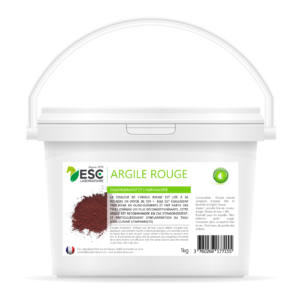
Red clay In particular, is specially formulated for congestion and lymphangitis, enriched with draining essential oils (thym, rosemary, mint).
Implementation Protocol:
- Clean and dry the limb thoroughly before application.
- Apply a thick layer of clay (2 to 3 cm) in cataplasm, from foot to knee, covering the entire swollen area.
- Leave to act until the clay is completely dry. Do not allow clay to dry too long on very irritated or cracked skin.
- Rinse with lukewarm water and renew operation 2 to 3 times daily in acute phase.
- During stabilization, one application per day is sufficient.
Apply clay in a band (sandwich clay between two layers of gauze) to a very irritated or cracked skin to avoid direct contact with lesions.
Draining plants to support the lymphatic system
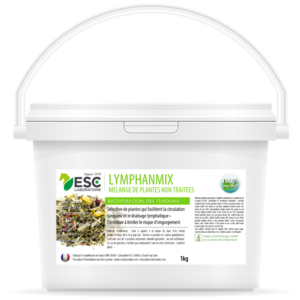
In addition to local care, internal plant support stimulates the lymphatic circulation and venous, promote fluid drainage and reduce inflammation in depth. ESC Laboratory has selected 8 complementary plants specifically to meet these needs in the horse.
The flagship plants of this protocol:
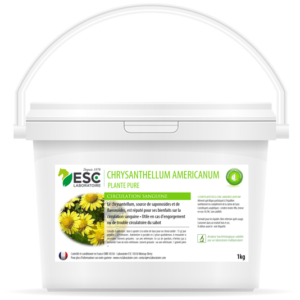
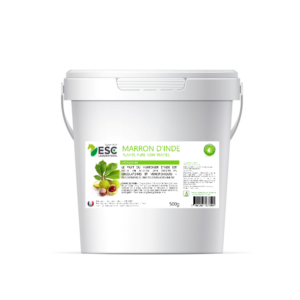
Maroon of India (Aesculus hippocastanum): reference venotonic. It strengthens the wall of blood and lymphatic vessels, reduces vascular permeability and thus limits fluid leakage to tissues. Indicated in substantive treatment and prevention of recurrence. Its effectiveness is documented by meta-analysis of 19 clinical trials published by Science Direct – Horse Chestnut effectiveness and safety in CVI (2015)
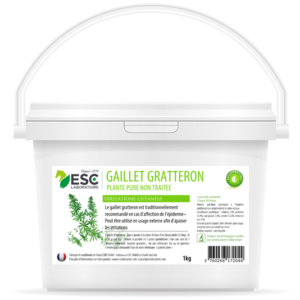
Gaillet scratcher (Galium aparine): lymphatic draining par excellence. It stimulates the activity of lymph nodes and promotes the disposal of waste accumulated in tissues. Can also be used for external use, in swabs soaked with infusion, for a local draining effect.
Dandelion (Taraxacum officinale): general drainer. It supports liver and kidney functions to promote the elimination of fluids and toxins. Particularly useful in addition to an external clay for associated congestion cases.
Red Vigne bud macerat (Vitis vinifera): strengthens vascular walls and improves venous return. Particularly indicated in chronic forms where vascular fragility is established.
Additional care: bandage, hydrotherapy and movement
Local and internal care are more effective when part of a comprehensive protocol:
- Southern Rest Bandage: After applying an astringent product, a well-positioned bandage by your veterinarian can « suck » excess fluids outside the limb. Do not try to put down a tight bandage yourself without training: an improper bandage can make the situation worse.
- Hydrotherapy: Cold water jets on the limb, 10 to 15 minutes several times a day, relieve pain and activate circulation. A spa is even more effective if you have access to it.
- Moderate exercise: as soon as the horse can walk without suffering too much, a move at the pace, even short, promotes the lymphatic return better than complete rest.
- Massage: only by a qualified practitioner and only if the skin is not damaged. The skin on a very swollen limb is fragile and a clumsy massage can make it worse.
Preventing lymphangitis and recurrence
For horses who have experienced an episode of lymphangitis, prevention of recurrence is as important as treatment. The main lever is environmental.
- Keeping litter clean and dry permanently, humidity is the primary risk factor.
- Wash the muddy limbs after each exit outside and dry them carefully, including pellet folds.
- Inspect the limbs daily to detect any cuts, scars or skin lesions, even discreet.
- Disinfect any wound quickly, however small.
- Protecting members during risk exercises (cough terrain, obstacles).
- Ensure regular exercise, daily mobilization is the best natural lymphatic draining.
- In seasonal prevention, a mixture of draining and venotonic plants over 6 to 8 weeks can help maintain healthy lymphatic vessels.
- Regularly check and clean equipment (brushes, strips) to avoid bacterial recontamination.
FAQ – FAQs about horse lymphangitis
What is the healing time of a lymphangitis in the horse?
Rapidly managed acute lymphangitis can resolve significantly in 2 to 6 weeks. However, the limb may remain fragile and prone to swelling for several months. Chronic form requires long-term follow-up: recurrences are frequent and permanent residual swelling is possible between crises.
How to distinguish lymphangitis from a simple congestion?
The congestion usually affects two symmetrical limbs, appears gradually and decreases with exercise. Lymphangitis usually affects a single posterior limb, occurs very abruptly, accompanied by intense fever and extreme pain. A horse that no longer eats, shakes or cannot lay foot must be seen by a veterinarian without delay.
Can lymphangitis kill a horse?
Yes, if it is not treated quickly. Unmanaged lymphangitis may develop into sepsis, a potentially fatal generalized infection. This is rare when management is early and appropriate, but this is why any suspicion must lead to calling the veterinarian within hours of the first symptoms.
How to use clay to treat lymphangitis in horses?
Apply a thick layer of clay (2 to 3 cm) in cataplasm to the swollen limb, from the foot to the knee. Leave to act until clay is dry, rinse and renew 2 to 3 times a day in the acute phase. The ESC Red Clay, enriched with draining essential oils (thym, rosemary, mint), is specially formulated for congestion and lymphangitis.
Is horse lymphangitis contagious?
Classical bacterial lymphangitis is not contagious between horses. It is caused by environmental bacteria that penetrate a wound. Epizootic lymphangitis caused by a fungus (Histoplasma farciminosum) is contagious and should be reported to veterinary authorities. This form is exceptional in France.
What natural plants to support a horse in case of lymphangitis?
Draining and veinotonic plants are the most appropriate: India's Marron supports venous circulation and reduces oedema; Gaillet scratcher stimulates the lymphatic system; the Dandelit promotes general drainage. Red Vigne bud Macerat strengthens vascular walls. These plants always come in addition to veterinary treatment, never in its place.
Sources:
- Spier S.J. (2024). Lymphangitis in Horses. Merck Veterinary Manual. https://www.merckvetmanual.com/circulatory-system/lymphadenitis-and-lymphangitis-of-large-animals/lymphangitis-of-horses-and-cattle
– Blenntoft R. (2023). The Equine Lymphatic System and Treatment of Equine Chronic Progressive Lymphedema (CPL). European Seminar in Equine Lymph Drainage (ESEL) / VetClick. https://www.vetclick.com/news/the-equine-lymphatic-system-and-treatment-of-equine-chronic-progressive-lymphoedema-cpl
–Bonnevie M. et al. (2025). Skin wound heating part II: from traditional cataplasm to advanced wound dressings. Frontiers in Soft Matter. https://www.frontiersin.org/journals/softmatter/articles/10.3389/ensfm.2025.1681598/full
Relieving the symptoms of lymphangitis with our external care products and internal supplements
-
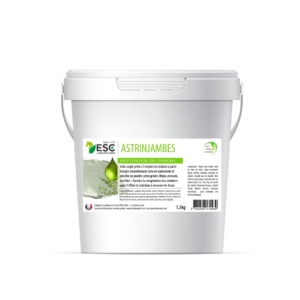
ASTRINJAMBES – Clay enriched with essential oils – Recovery and congestion tendons
- 24,60 € – 53,30 €Price range: 24,60 € at 53.30 €
- Choice of options