
Circulatory disorders of the hoof: plants to relieve and accompany your horse
The circulatory disorders of the hoof are among the most feared conditions in the horse. Pain, sole sensitivity, foot heat: these signs require rapid veterinary management.
In addition to medical follow-up, herbal therapy offers natural support. ESC Laboratory has developed pure plants and specific mixtures to accompany blood circulation at the level of the hoof, promote drainage of the organism and soothe discomfort. Chrysantellum, queen of meadows, ginkgo biloba: active ingredients selected for their vascular, draining and soothing properties.
-
CHRYSANTELLUM AMERICANUM – Capture horse – Pure plant
- 47,00 € TTC
- Chrysantellum americanum is known for its benefits to the bloodstream. The plant, rich in saponosides and flavonoids is useful in case of congestion of the tendons of the horse or circulatory disorders of the hoof. Quality analysis certified by an independent laboratory. Bucket 1 kg
- Add to cart
-
- Out of stock
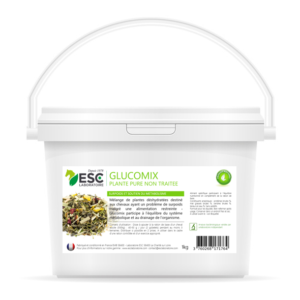
GLUCOMIX – Horse Weight Problem – Plant Mix
- 41,90 € TTC
- Glucomix is a mixture of dehydrated plants formulated for horses with an overweight problem. It helps to balance the metabolic system and drain the body. Bucket 1 kg
- Read more
-
-
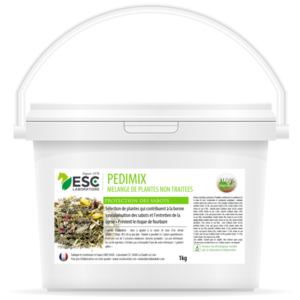
PEDIMIX – Blood circulation horse hoof – Mixture of plants
- 41,90 € TTC
- Unique blend of plants that contribute to the support of the blood circulation of the horse's hooves and comfort. Also promotes drainage and detoxification of the organism. Recommended when food is too rich, especially when weeding. Quality analysis certified by an independent body. Exclusive formula developed by our Laboratory. Bucket 1 kg
- Add to cart



Horse forbure: understand the mechanisms involved
The Fury is an inflammation of the lamellar tissues of the hoof, these sensitive structures that connect the third phalange to the corneal box. When the blood circulation in the foot is altered, these tissues deteriorate, causing intense pain and, in the most serious cases, a phalange tipping.
The causes are varied: diet too rich (especially when weeding), overweight, metabolic overload, Cushing's syndrome, excessive effort on hard soil or placental retention in mare. Some horses also have a predisposition related to insulin imbalance.
Whatever the origin, management always begins with a veterinary diagnosis. Herbal supplements are used in support, never replacing medical treatment.
How plants accompany clot circulatory disorders
Herbal therapy works on several complementary levers in the accompaniment of horses prone to circulatory disorders of the hoof.
Support for blood circulation is the first axis. Chrysantellum americanum, rich in flavonoids and saponosides, is recognized for its benefits to the vascular system in limbs and hoofs. Ginkgo biloba facilitates microcirculation and helps protect the corneal box. Laubepine supports overall cardiovascular function.
Drainage and detoxification are the second lever. Liver overload or a diet that is too rich promote forbure episodes. Plants such as thistle, dandelion, artichoke or chicory contribute to the detoxification of the body and the proper functioning of the liver and kidneys.
Soothing discomfort completes this approach. The meadow queen, naturally rich in salicylated derivatives (acpirin precursors), is traditionally recommended in the forked horse and the aged horse for its soothing properties.
Pedimix and Fourbure Detox: two complementary formulas
ESC Laboratory offers two mixtures formulated specifically for horses with sensitive hoofs.
Pedimix combines 10 plants with complementary virtues: aubépine, bardane, thistle-marie, chicory, chrysantellum, ginkgo biloba, beer yeast, nettle, dandelion and meadow queen. This mixture helps support the blood circulation of hooves and promotes drainage of the body. It is suitable for sports and leisure horses, in cure of 3 weeks minimum.
Detox Fourbure is a high performance complementary food, enriched with trace elements, vitamins and minerals. Its formula targets the support of the liver system and venous circulation. Made at low temperature to preserve the quality of the ingredients, it is designed for situations that require quick action (7 day security, renewable).
These two formulas can be supplemented by a pure plant treatment of chrysantellum to strengthen circulatory support. In case of sensitivity at the level of the members, association with the queen of meadows is also possible.
Preventing circulatory disorders of hoof daily
Prevention remains the best lever. Some practices significantly reduce the risk of horse fork.
Controlling power supply is essential. Gradual access to grass in spring, limiting sugar and starch intakes, and appropriate weight management protect metabolic balance. The Glucomix mixture can accompany the overweight horses thanks to its draining and regulating properties.
Regular monitoring of the Marshal Ferrant (up to 6 to 8 weeks) preserves the health of the foot. A horse whose feet are not maintained is more exposed to circulatory disorders.
Finally, for predisposed horses (equin metabolic syndrome, Cushing, history of forage), regular treatments of draining and circulatory plants help support the organism over the long term.