
Optimize muscle recovery of your horse
After an intense effort, your horse needs to recover effectively to maintain its performance and maintain its muscle health. Our specific dietary supplements promote the elimination of toxins, reduce curvature and accelerate muscle tissue regeneration. Trained to meet the needs of sports horses, they allow a return to work in optimal conditions.
-
4 opinions
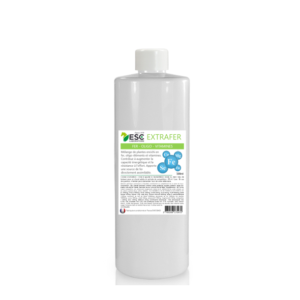
EXTRAFER – Resistance to stress and horse recovery – Multivitamins and plant extracts
- 22,40 € TTC
- Multivitamin solution rich in plant extracts • Recommended in support of sports effort preparation and recovery, in case of fatigue or during recovery. Exclusive formulation ESC Laboratory Flacon 500ml
- Add to cart
-
7 opinions
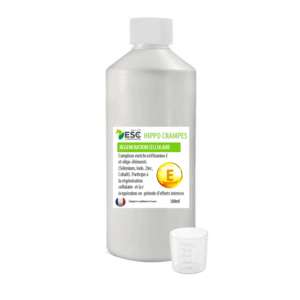
HIPPOCRAMPES – Recovery and fatigue horse – Enriched supplement source of selenium and vitamin E
- 24,40 € TTC
- Hippo Crampes is a complex complementary liquid food enriched with vitamin E and trace elements (selenium, iodine, zinc, cobalt). Hippo Crampes participates in the muscle recovery of the horse during periods of intense effort or in cases of muscle disorders. 500ml bottle with dosing cap
- Add to cart
-
- -20%
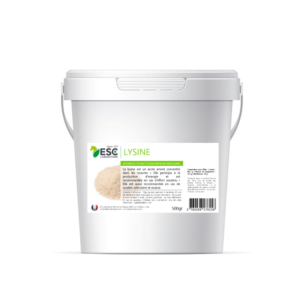
LYSINE + – Support effort and muscle development horse
- The initial price was: 27.60 €.22,08 €The current price is: 22.08 €. TTC
- Lysine is an amino acid concentrated in muscles that has many biological functions. It participates in energy production and is recommended in case of sustained effort. Lysine is also recommended for joint and bone support. Bucket 500g
- Add to cart
-
1 opinion
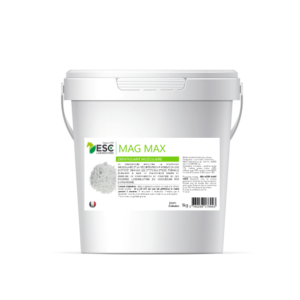
MAG MAX – Marine Magnesium, lives B6 and taurine – Muscle defector horse
- 41,50 € TTC
- Marine magnesium is a natural source of magnesium easily assimilated. Unique formula enriched with vitamin B6 and taurine that promotes good use of magnesium by the body. Recommended in athlete horses or in cases of stress or muscle tension. Bucket 1 kg
- Add to cart
-
17 opinions
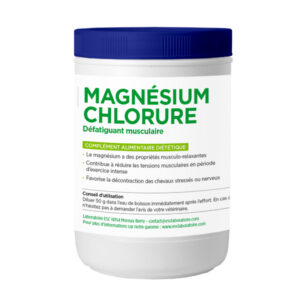
Magnesium CHLORURE – Muscle recovery and stress management
- 15,30 € TTC
- Magnesium has musculo-relaxing properties and helps to reduce muscle tension during intense exercise. Magnesium chloride promotes the relaxation of stressed horses. Pot 700g
- Add to cart
-
3 opinions
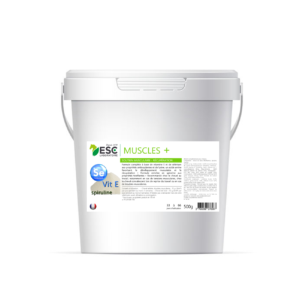
MUSCLE+ – Vit E, selenium, lysine and spirulina – Support and muscle recovery horse
- 32,80 € TTC
- Complete formula for horse muscles, based on spirulina, vitamin E and selenium with antioxidant properties, vitamin B12 and lysine, amine acid that promotes muscle development and recovery. Recommended in horses at work, especially in cases of muscle tension, in the convalescent horse when returning to work or in case of...
- Add to cart
-
2 opinions
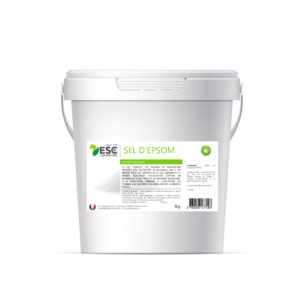
SEL D
- 8,90 € TTC
- Epsom salts are recommended in cases of intestinal discomfort, speed up transit and contribute to the softening of crottins. Source of magnesium, they support nervous and muscular functioning. Externally, Epsom salts are useful in the event of congestion or swelling. Bucket 1 kg
- Add to cart




Recovery: a crucial phase of training
Recovery is not a dead time, but an active and decisive phase in the sports progress of the horse. It is during this period that the body repairs, strengthens and adapts to the stresses of training. Insufficient or inadequate recovery can lead to chronic fatigue, muscle injury, decreased performance and overwork.
What happens in the muscles after the exercise?
During intense exercise, the muscles undergo micro-tills and accumulate metabolic wastes, including lactic acid and ammonia. These substances cause stiffness, curvature and discomfort. At the same time, energy reserves (glycogen) are exhausted and need to be reconstituted. Oxidative stress generated by stress produces free radicals that can damage muscle cells.
Keys for optimal recovery
A good recovery is based on several pillars: adequate hydration, progressive cooling after exercise, sufficient rest, and especially targeted nutritional intake. Specific dietary supplements are used precisely at this level by providing essential nutrients for muscle regeneration and toxin elimination.
What do our recovery supplements contain?
Our formulations combine complementary assets for a global action: antioxidants (vitamin E, selenium) to neutralize free radicals, electrolytes to compensate for sweat losses, amino acids to support muscle reconstruction, and draining plants that promote the elimination of metabolic waste. Some products also incorporate vitamin C, magnesium or omega-3 with natural anti-inflammatory properties.
When to administer these supplements?
The ideal is to anticipate recovery by administering the supplement immediately after exercise, in the optimal metabolic window 30 minutes to 2 hours post-exercise. This period is crucial to maximize nutrient assimilation and accelerate repair processes. For horses in intense competition, continuous supplementation throughout the season can be beneficial.
The signs of poor recovery
A horse that recovers badly has several symptoms: persistent stiffness, reluctance to work, decreased performance, excessive sweating, slow down heart rate, loss of appetite, or irritability. These signals should alert and encourage a review of recovery management, in addition to a veterinary assessment if necessary.
Beyond Nutrition: A Comprehensive Approach
Food supplements are a valuable tool, but recovery also involves essential practices: walking the horse in hand after the exercise, showering the limbs with fresh water, ensuring sufficient rest between two intense sessions, adapting the workload to the physical condition, and monitoring signs of fatigue. Massage therapy, passive stretching and electrostimulation can also effectively complement the recovery strategy.
The expertise ESC Laboratory for your sports horses
Our recovery complements are developed taking into account the requirements of modern equestrian sport and the specific physiological needs of athletes horses. In line with anti-doping regulations, they enable natural optimisation of recovery without compromising sports integrity.