
Protect your horse from intestinal parasites naturally
Intestinal parasites pose a constant threat to the health of your horse. Our natural solutions effectively complement your vermifugation program by creating an intestinal environment that is unfavourable to parasite development.
Formulated with plants with recognized properties, they help maintain the digestive balance and strengthen the natural defenses of your equine.
-
17 opinions
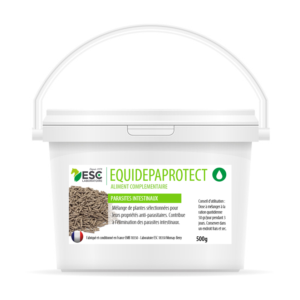
EQUIDEPAPROTECT – Parasites intestinal horse – Enriched herbal supplement
- 40,00 € TTC
- Helps to repel intestinal parasites. Resist 3 days after absorption. Promotes ration assimilation. Cold granulation keeps all assets intact. Production in cold and pressure-free granulation to respect the nutritional qualities of the ingredients. Seal 600g
- Add to cart
-
3 opinions
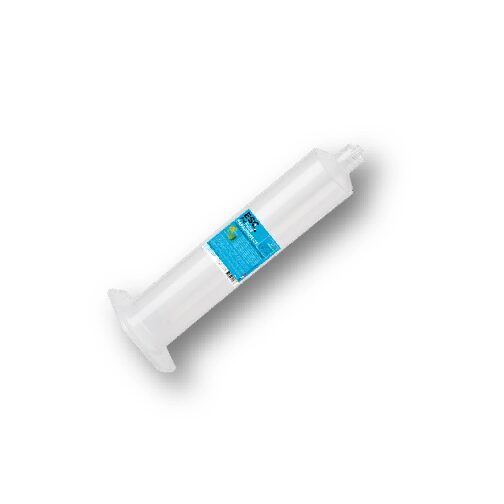
PARAPROTECT – Intestinal hygiene and internal parasites horse
- 16,60 € TTC
- Paraprotect of the range ESC Propulse is a concentrate of plant genetic assets of the latest generation and prebiotics contributing to strengthening the natural defenses of the organism. In the form of a oral syringe, it is easily administered. Recommended for internal parasites in horses. 60ml syringe
- Add to cart
-
7 opinions
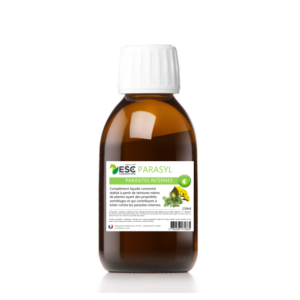
PARASYL – Parasites intestinal horse – Concentrated liquid supplement based on mother dyes
- 20,50 € TTC
- Original formula in liquid form based on plant extracts supporting processes of natural defense against digestive parasites. Recommended for each change of season or in case of suspicion. Bottle 250 ml
- Add to cart
Intestinal parasites: an invisible but real threat
All horses are exposed to intestinal parasites: small strongles, large strongles, ascaris, oxides, gastrophils or tenias. These organisms develop in the digestive system and can cause considerable damage: colic, weight loss, dull hair, decreased performance, anaemia, and in serious cases, severe intestinal damage. Young horses and older horses are particularly vulnerable.
Towards a reasoned approach to parasitic management
The modern pest control strategy favours a reasoned rather than systematic approach. Chemical vermifuges remain essential, but their repeated use promotes the emergence of parasitic resistance, a growing problem in livestock farms. It is in this context that natural solutions take on their full meaning, in addition to a suitable vermifugation programme.
How does natural pest control work?
Our complements combine plants that are traditionally known for their vermifuge and sanitizing properties: garlic, thyme, armoise, squash, tanaisie or diatom soil. These natural assets create conditions that are unfavourable to the installation and development of parasites, without replacing drug demifuges. They work in synergy to maintain healthy and inhospitable intestinal terrain for parasites.
When to use these supplements?
Natural pest control is integrated into a comprehensive prevention strategy. They can be administered as regular treatment between two chemical vermifugations, or continuously for horses with low parasitic load. They are particularly interesting in spring and fall, periods conducive to parasitic development, or when plotting on potentially contaminated plots.
Prevention: Your Best Ally
Beyond complementation, parasitic management involves rigorous hygiene measures: regular collection of crottins in the meadow and box, rotation of pastures, avoidance of overgrazing, reasoned manure management, and regular coproscopy to assess individual parasitic load. These good practices significantly reduce parasitic pressure and optimize treatment efficiency.
Safe and natural formulations
ESC Laboratory products are made from selected natural ingredients for their quality and effectiveness. Appetite and easy to administer, they are suitable for all horses and can be safely used over long periods of time. Our formulas respect the digestive balance and do not have waiting times for sports horses.
Veterinary expertise ESC Laboratory
Our pest control supplements are part of a comprehensive horse health approach. Developed in collaboration with veterinarians, they provide a natural and preventive response to the parasitic challenge, as an indispensable complement to reasoned vermifugation and adequate health management.